What Is Methodism?
John and Charles Wesley, the founders of Methodism, were born to Samuel and Susanna Wesley in central England in the early 1700s. Samuel was a clergyman in the Church of England, and both Samuel and Susanna were very serious about their faith – the kind of people who were willing to be thought of as ‘different’ if it meant being loyal to God’s word in Scripture. Susanna taught her children to read the Bible from the youngest ages – by the time Charles and John were admitted to university they had already learned a great deal from their mother
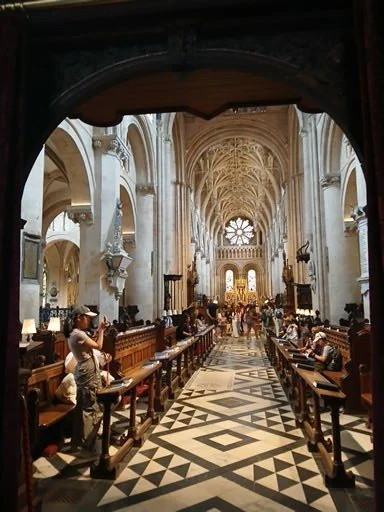
Charles Wesley – who became a famous hymn-writer – was a little older than John, but the two young men attended Christ Church College in Oxford together in the 1720s. While they were there they formed an organization of students who were serious about their faith and called it the “Holy Club”.
Back then – much like today – there were men who went into ministry because they loved Jesus, and some who went into ministry in order to find money and power. On top of that, many people attended their local parish church to be “seen” – especially in London and other wealthy cities like Oxford and Cambridge. People were more interested in how fancy the clothes were than in the words being spoken or sung in church.
John and Charles and their friends wanted church to be different – to reflect the teachings of Jesus. They taught that regular Bible study, fasting and prayer, heartfelt devotion to God, and caring for the poor were necessary parts of a life of faith.
Many people at the time thought the Wesleys were “a bit over the top” – a little extreme to put it mildly – and they mocked the seriousness of these young men and their methodical approach to faith. To make fun of them, they called them “Method-ists”. And the name stuck.
Some of the things these young “Method-ists” did to express their faith and their love for God included: paying off the debts of people in debtors’ prison; ministering to prisoners in the local jail, including those on death row; bringing money, food, and clothing to the poor and the hospitalized; providing education for the children of people who couldn’t afford to pay for school (there were no free schools back then); teaching parents basic first aid and how to treat common diseases; helping find work for the unemployed; and preaching outdoors when churches refused to allow them into their pulpits.
John Wesley also appointed itinerant evangelists – traveling preachers – trained but not ordained, to spread the gospel and the “method”. And he appointed both men and women to preach these messages.
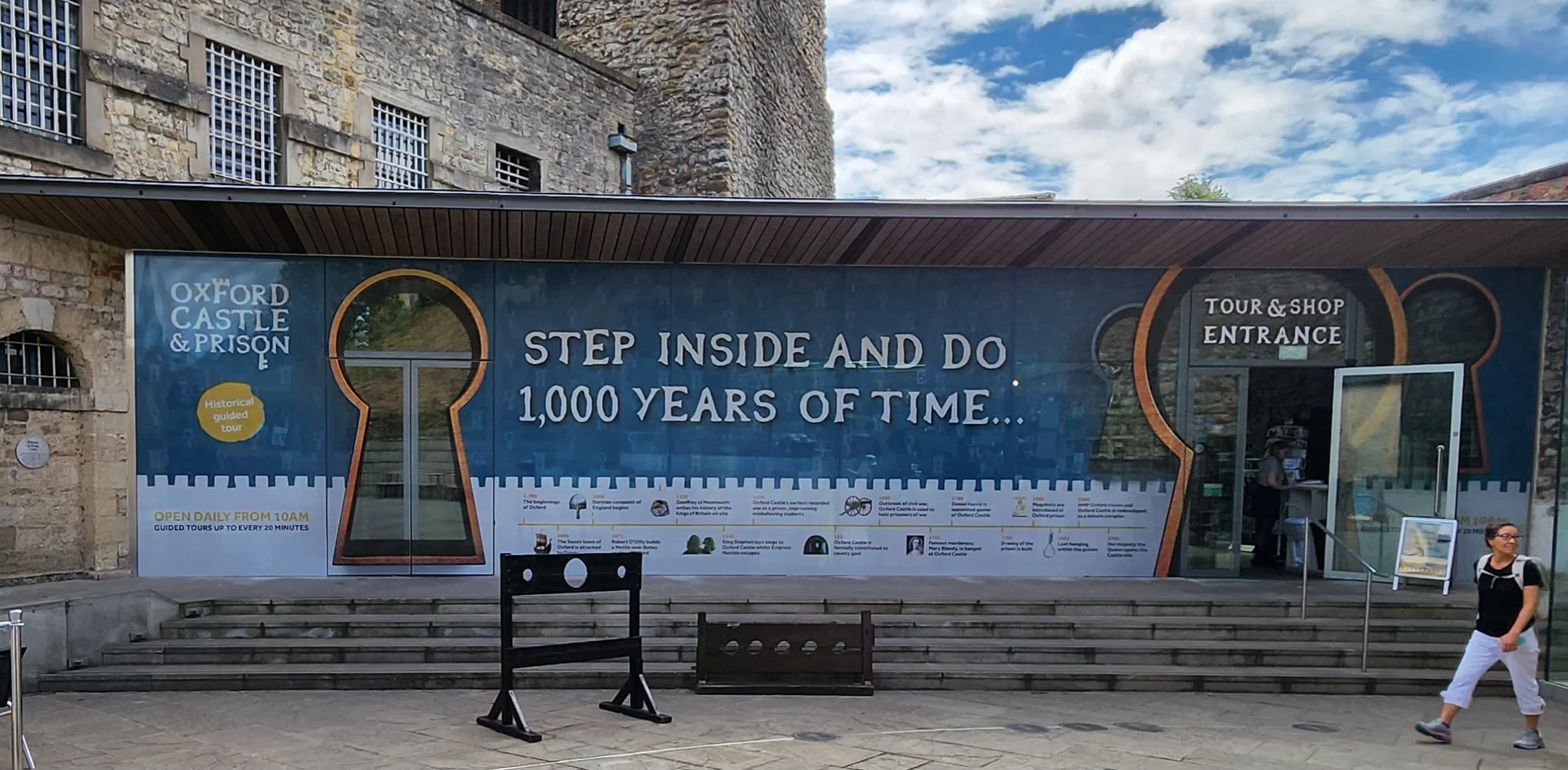
In Oxford today, the Wesleys are remembered with pride. The first building where they preached the Methodist message in public is now a national landmark. The jail where they ministered is still standing, but it’s no longer a jail. (It’s a bed & breakfast, for folks who have the courage to stay!)
The Wesleys’ ministry to the poor is still remembered, and the city of Oxford is home to a large and thriving Methodist Church which is still ministering to the poor and the homeless in the city.
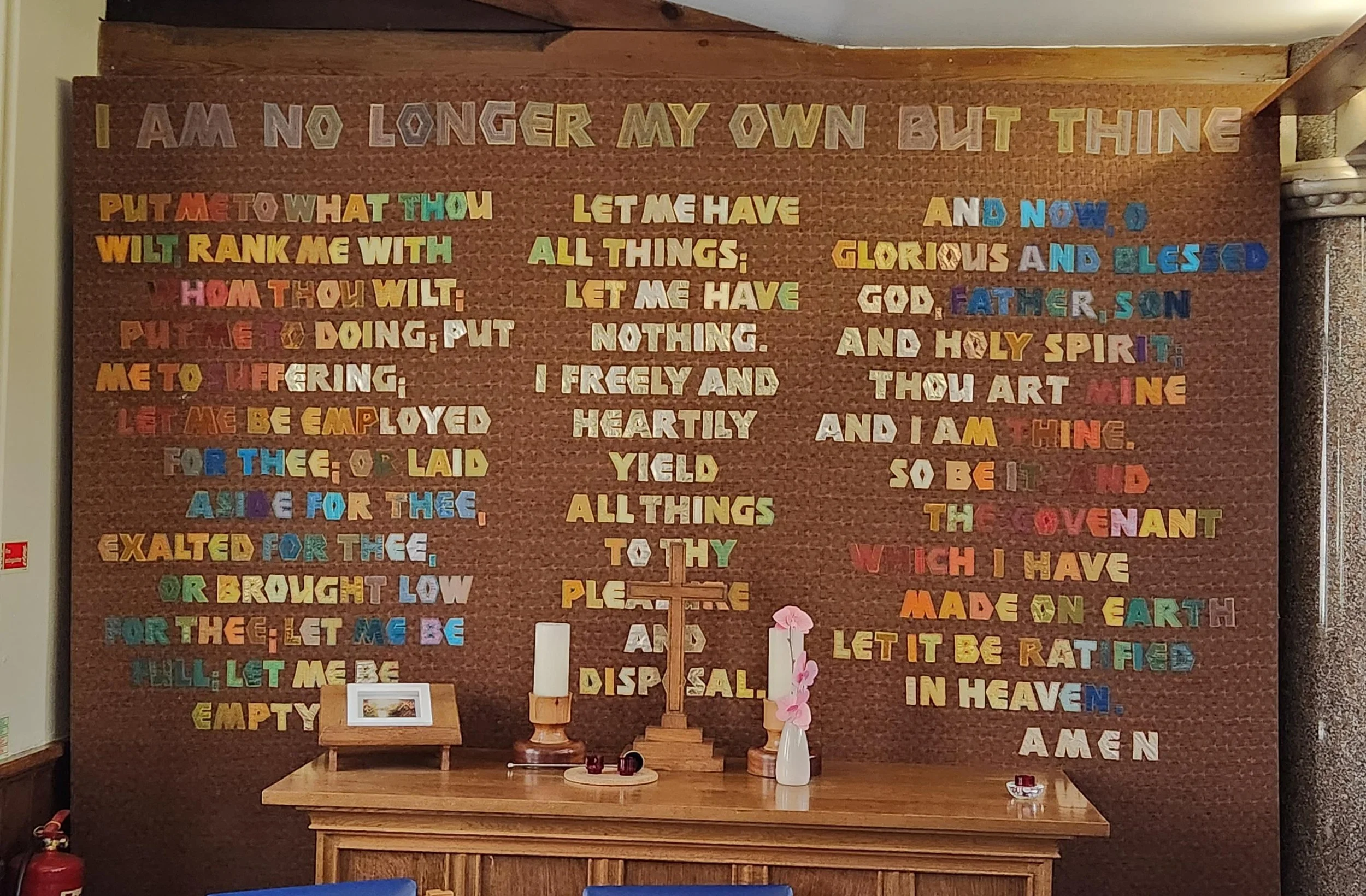
This is the heritage we have inherited as United Methodists. And it’s our goal to continue in the footsteps of the Wesleys: walking close to God by faith, and close to our neighbors, and meeting the needs of others as we are able.
“Jesus! the name that charms our fears, that bids our sorrows cease;
‘tis music in the sinner’s ears, ‘tis life, and health, and peace.”
– from O For A Thousand Tongues To Sing by Charles Wesley